Furniture Anchoring: A Safety Checklist for Homes and Rentals
Check furniture and TV tip-over risks, manufacturer instructions and suitable anchoring help. Includes a practical checklist for renters.
Anchoring belongs in the furniture plan before the cabinet arrives. Decide where the piece will go, how it must be secured and what help you need to complete the installation properly.
The ACCC’s toppling furniture and television guidance recommends securing furniture to a wall or floor and choosing fittings appropriate to the furniture and building surface. If you are unsure, seek suitable advice. This checklist helps organise that conversation; it is not a universal drilling or installation method.
Gather the information for the actual piece
- The exact product name and model.
- The assembly and anchoring instructions, including any supplied hardware list.
- The proposed location and available space around it.
- What is known about the wall or floor construction.
- Any property or installation restrictions that need resolving.
Keep a photograph of the product label and the relevant instruction pages with your order records. If parts or instructions are missing, ask the seller for the correct information rather than substituting a fitting that looks similar.
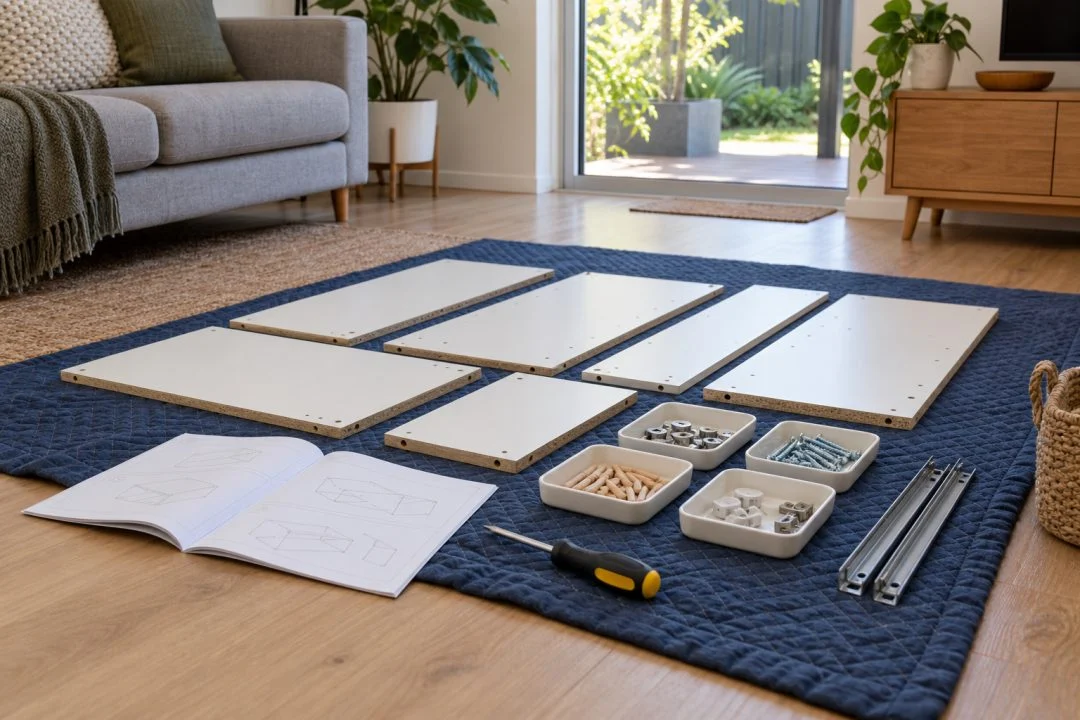
Assembly and anchoring are related but separate checks. The flat-pack assembly checklist helps you prepare for the furniture build; the anchoring instructions determine how it is secured in its final location.
Match the installation to the building
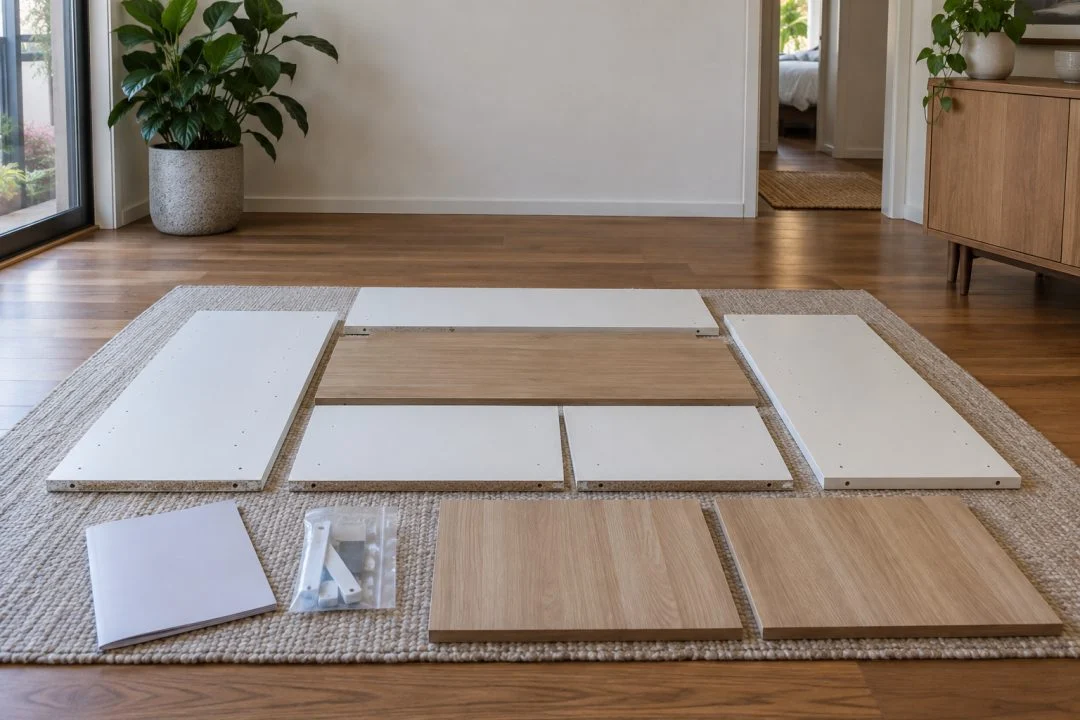
Do not choose a fixing solely from a generic online diagram. The furniture, surface and installation conditions need to be considered together. Ask a qualified tradesperson when the wall construction, concealed services or suitable method is uncertain.
Before the appointment, clear access to the proposed position and have the product documentation ready. Explain whether the furniture has already been assembled, whether it will sit on carpet and whether there is skirting or another feature affecting its position.
A photograph can help describe the room, but it does not prove what is behind the wall. Avoid drilling or modifying the furniture while those details are unresolved.
If you rent
Check the current requirements for your state or territory and the particular property before arranging changes. The rules are not identical across Australia. For example, Consumer Affairs Victoria sets out permitted modifications and exceptions, while NSW guidance explains permissions for rental changes.
Give the property manager the product instructions and proposed installation details where discussion or consent is needed. If there is an unresolved issue, seek advice from the relevant tenancy authority rather than assuming the only options are an improvised fixing or leaving the piece unsecured.
A clear message to send
“I am planning to install
at [location]. Its instructions require anchoring. Please see the attached instructions and proposed location. Could you confirm the applicable property requirements and how we should arrange the installation?”
Check televisions separately
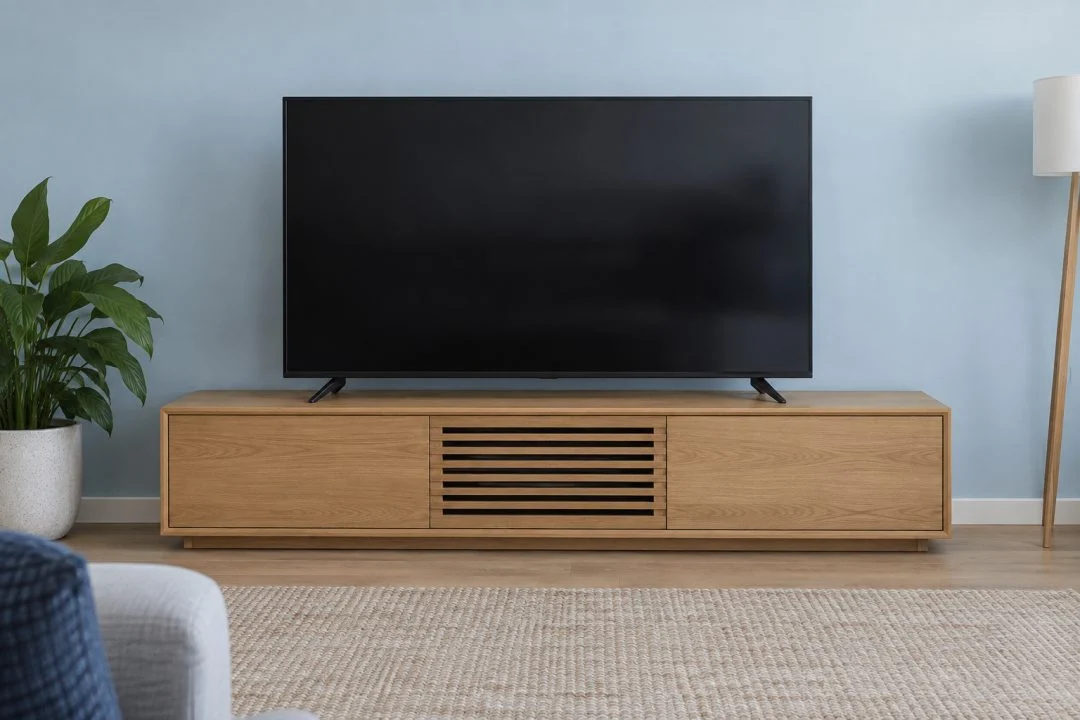
A television and its supporting unit need an appropriate combined setup. Do not treat securing the TV as a substitute for following the unit’s own anchoring instructions. The TV-unit compatibility guide helps collect the screen, stand, load and furniture measurements.
Keep installation records together so a future move or equipment change does not lose the original requirements. A different television or a new room can change the setup you need to review.
Recheck after a move or change
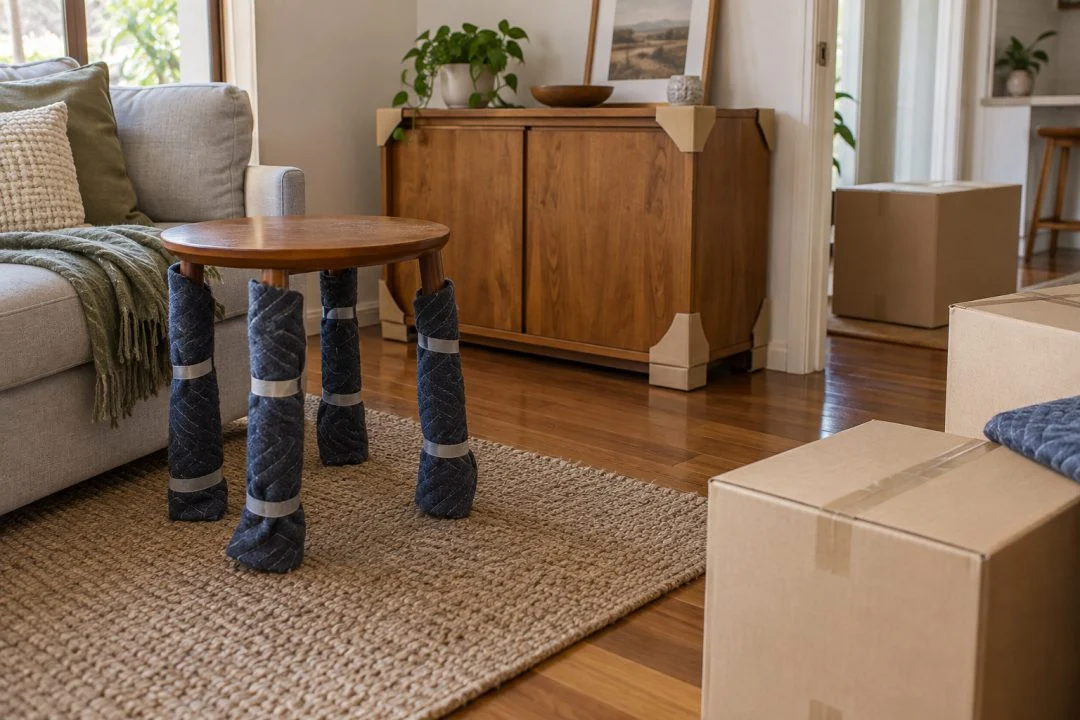
When furniture is moved, dismantled or repositioned, revisit its installation requirements before returning it to use. Do not assume the previous fittings are appropriate for the new location. The moving preparation guide helps keep instructions and hardware organised.
If you notice damage, loose components or an uncertain installation, arrange suitable advice and follow the product’s warnings. Completing the setup properly is part of making the furniture ready for everyday use.