How to Clean a Dining Table Without Damaging Its Finish
Identify your dining-table finish before cleaning. Follow a simple care routine and avoid methods that can damage timber, veneer or laminate.
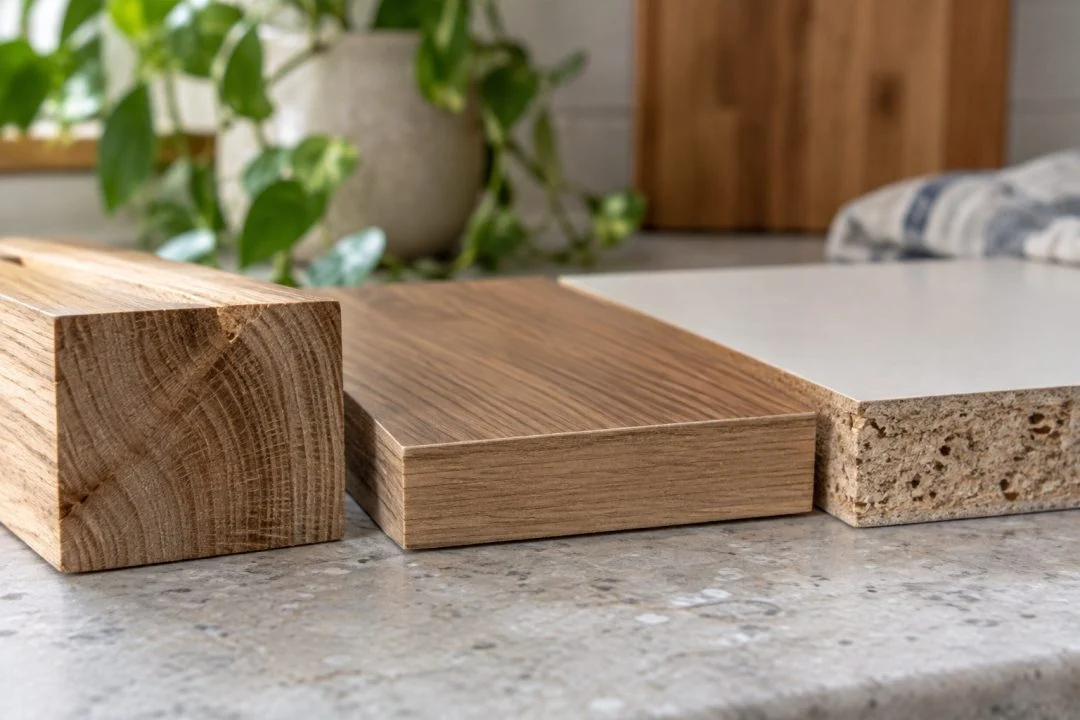
The safest cleaning method begins with identifying the finish. Two tables can look almost identical while needing different care: one might have an oiled timber surface, another a lacquered veneer, and another a printed decorative layer.
Find the instructions supplied with your table before choosing a cleaner. If you no longer have them, check the product listing or ask the seller for the care guidance for that particular model. A familiar household cleaning recipe is not a substitute for knowing what is on the surface.
Start with the description, not the grain
Read both the construction and surface information. “Engineered wood” may describe what is beneath the finish; “marble-look” describes an appearance rather than confirming natural stone. Our timber, veneer and engineered-wood guide helps separate those terms.
Do not sand a mark, apply furniture oil or use a polishing compound simply because the table looks wooden. Those treatments can change a coating or decorative layer. For an unfamiliar finish, stop and get the manufacturer’s advice before trying to restore it.
Keep everyday cleaning gentle
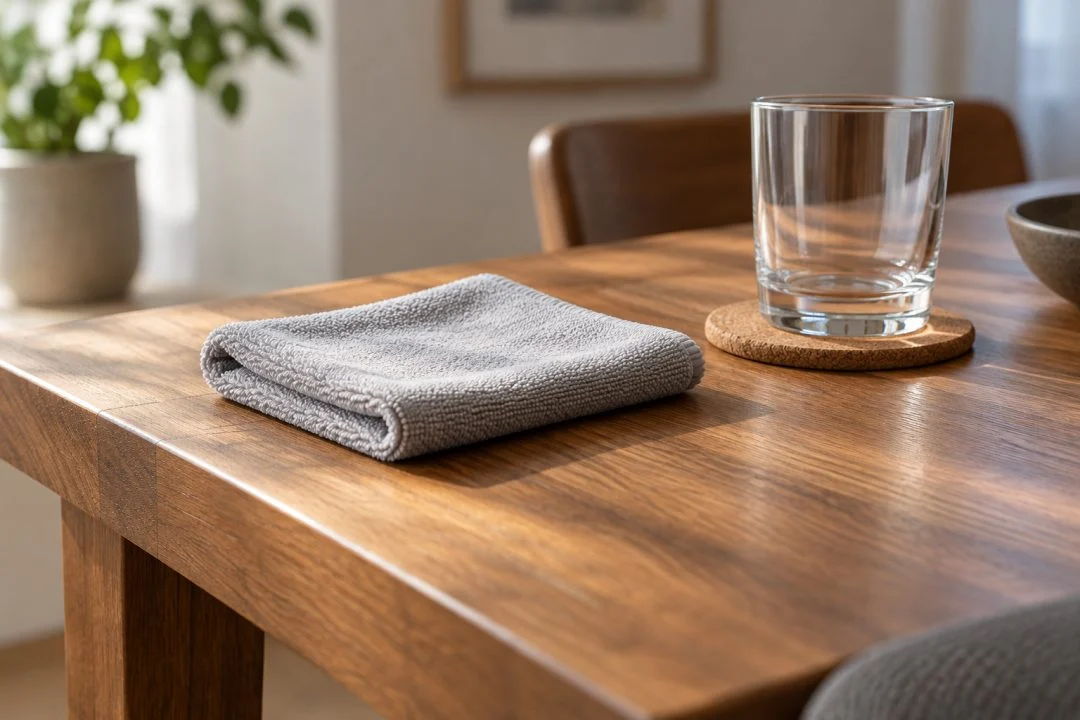
Remove loose crumbs with a clean, soft cloth so you are not rubbing gritty debris over the surface. Follow the supplied instructions for wiping. Where a damp cloth is permitted, wring it out well and dry the surface afterwards; do not leave water sitting at joins or edges.
For example, IKEA’s care instructions for its DANDERYD veneer table specify a damp cloth with a mild cleaner followed by drying. That supports a gentle approach for that product, not permission to use the same cleaner on every finish.
If you cannot identify the finish
Use a soft dry cloth for loose dust, keep liquids and heat off the table, and ask for the correct care instructions. Avoid experimenting with strong cleaners, abrasives, oils or solvents while you wait.
What to check for each surface
| Listing says… | Check before cleaning | Do not assume |
|---|---|---|
| Solid timber | Whether the surface is oiled, waxed, lacquered or otherwise coated. | That more oil is the appropriate treatment. |
| Veneer | The coating and permitted wiping method. | That the top can be sanded like a thick timber board. |
| Laminate or melamine | Approved cleaner and care for edges and joins. | That the whole table is waterproof. |
| Glass | The manufacturer’s cleaner guidance and care for frames or coatings. | That a cleaner suitable for plain glass suits every neighbouring surface. |
| Stone or stone-look | The exact material, finish and any sealing requirements. | That a marble appearance means natural marble. |
Spills and stubborn marks
Attend to a spill promptly using the permitted method. Blot or lift it rather than spreading it over a larger area, then dry where the instructions require. Keep product information handy when asking about an unfamiliar stain.
If a mark does not lift with the recommended routine, stop before increasing the strength of the cleaner. Send a clear photo and explain what caused the mark, when it happened and what you have already used. That is much more useful than trying several products and losing track of the sequence.
Make prevention part of the table setting
Use suitable coasters, placemats and heat protection as directed, and lift objects rather than dragging them. Check that the underside of protective accessories is clean and suitable for the finish. A gritty mat can create its own problem.
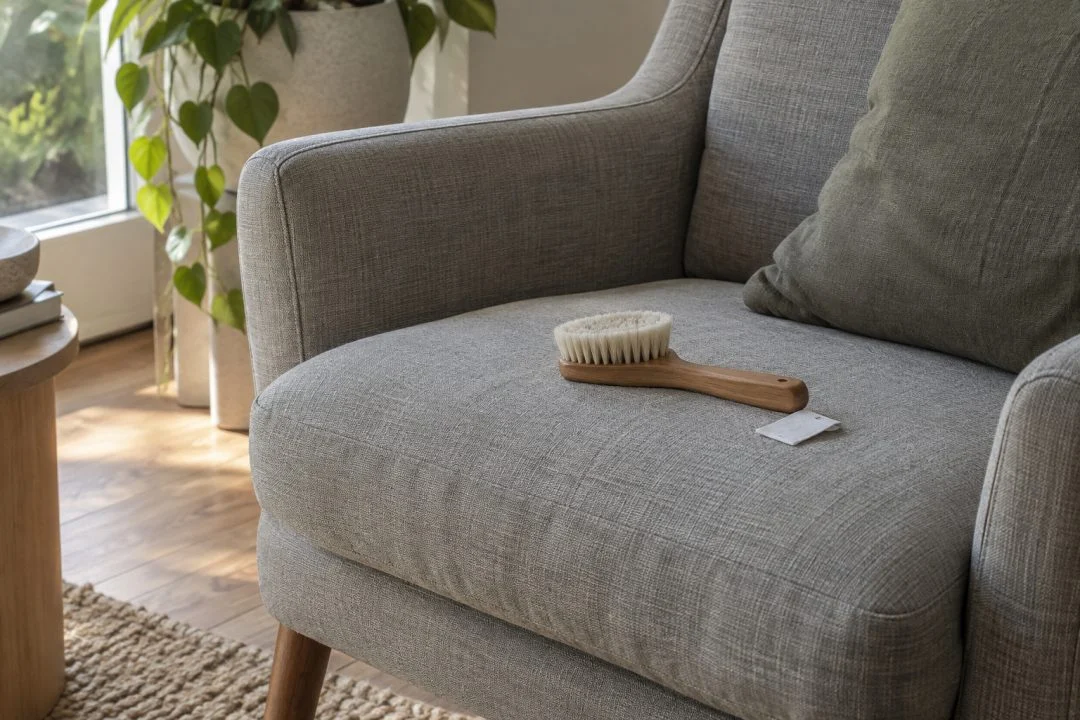
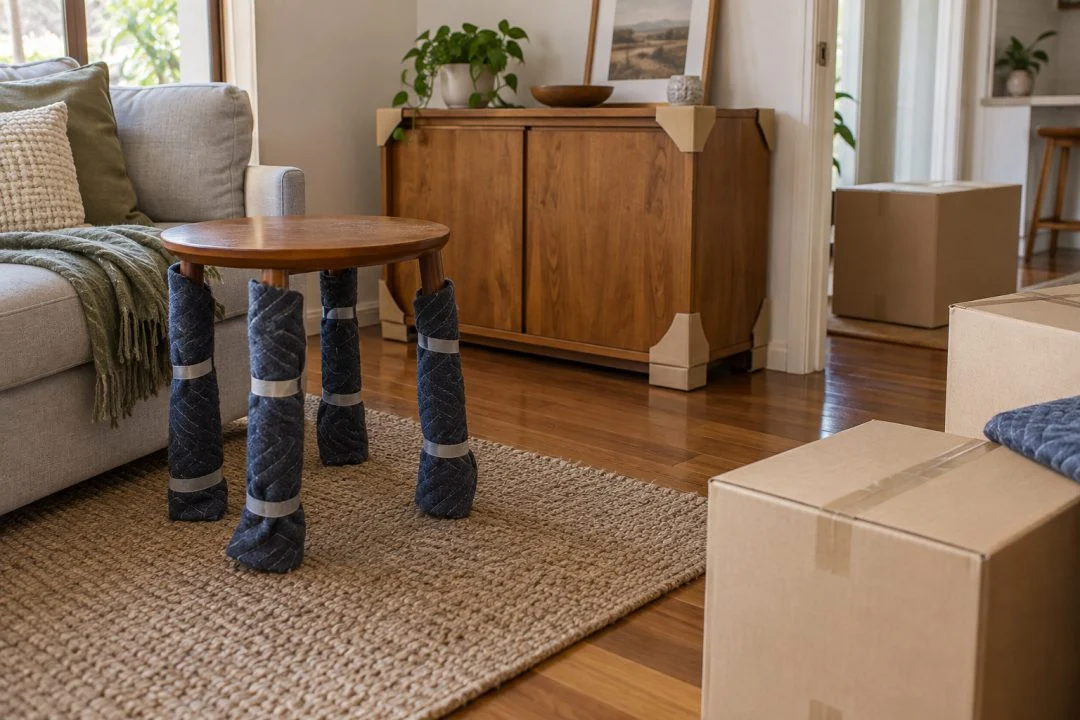
Keep the care sheet with your furniture records. When moving the table, protect the finish and follow its handling instructions; preparing furniture for a move covers the planning. For the upholstered seats around it, use the separate upholstery-care guide. The tabletop and the chairs do not necessarily need the same treatment.