Fabric, Faux Leather or Leather Sofa: What to Compare
Compare fabric, faux leather and leather sofa coverings by composition, care and daily use. Check the actual product rather than the label alone.
Choosing sofa upholstery is easier when you separate the material name from the features you need. “Fabric”, “faux leather” and “leather” are starting points. The composition, finish and care instructions explain much more about the particular sofa.
There is no universal winner. A cover that suits someone who wants a smooth surface may not suit someone who wants removable covers, and neither preference tells you whether the seat itself feels comfortable.
Read what the covering is made from
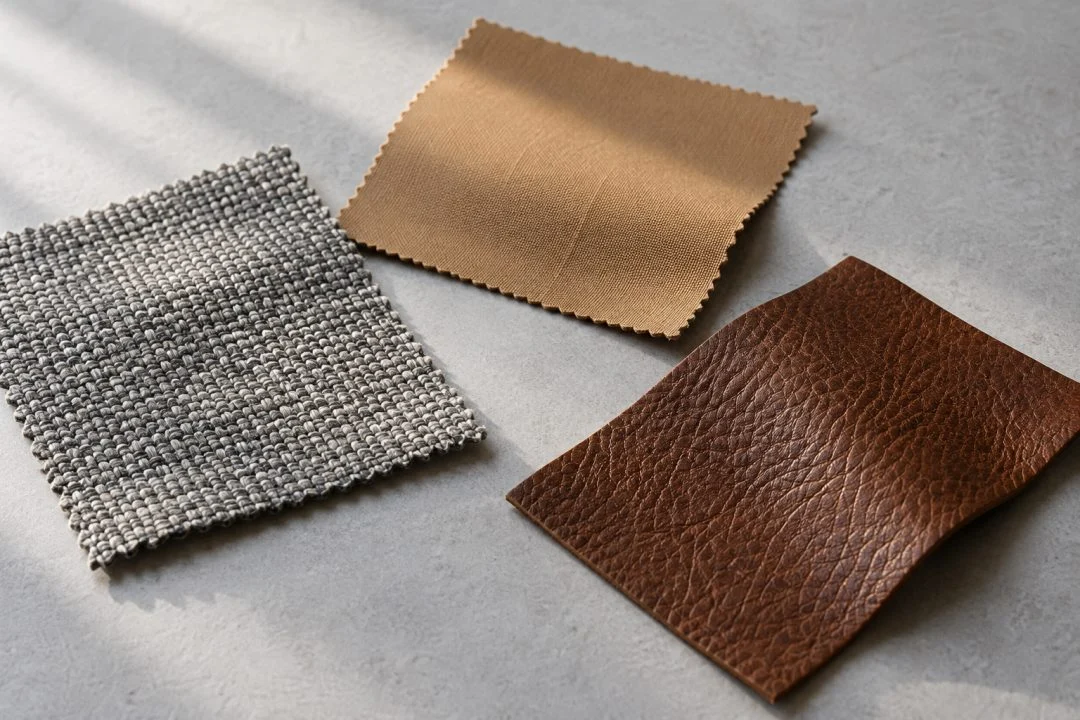
A fabric covering might use one fibre or a blend. A leather-look surface may be a coated fabric rather than animal leather. Some sofas use different materials on different parts of the body. Do not assume the arms, seat, back and outer panels all have the same covering.
Manufacturer information illustrates why those distinctions matter: IKEA’s leather and other materials guide distinguishes coverings and their care requirements. Use the documentation for the sofa you are actually buying, rather than carrying a rule from one product to another.
| Material description | Useful detail to find | Question to resolve |
|---|---|---|
| Fabric | Fibre composition, weave and whether covers are fixed or removable. | What cleaning method is permitted? |
| Faux leather / coated fabric | The stated coating and backing material. | Which cleaning products and conditions should be avoided? |
| Leather | Type and finish, plus which parts of the sofa use it. | What care does this particular finish require? |
These categories are a reading guide, not a statement that every material is currently stocked. Compare the exact listings in the available range. If composition matters for personal or ethical reasons, ask for clear confirmation rather than inferring it from an appearance or label.
Removable and washable are different features
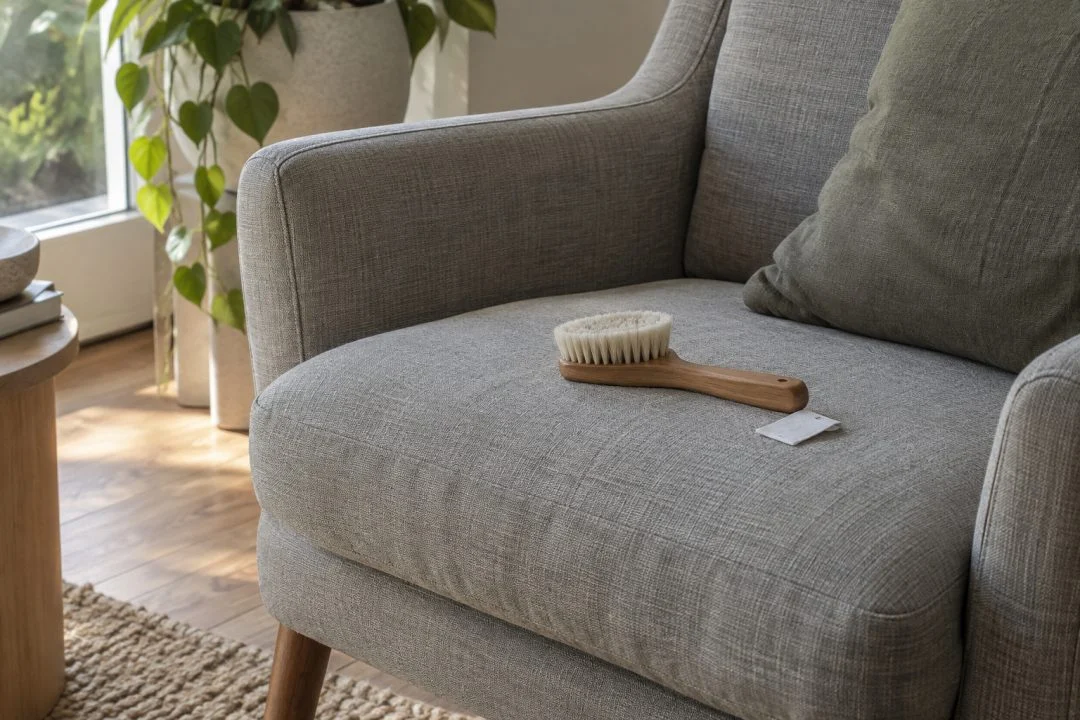
A zip does not necessarily mean a cover is intended for routine removal, and a removable cover is not automatically machine washable. Look for explicit instructions, including any limits on temperature, drying and which parts of the cover can be cleaned that way.
If washable covers are a firm requirement, make that a pass-or-fail item on the shortlist. Do not replace missing instructions with a guess based on the fabric composition alone. The finished cover may contain several materials or construction details.
Think about your actual household
Do you regularly vacuum the sofa? Are spills common? Will pets use it? Are you prepared to follow a particular care routine? These questions are more useful than trying to rank every material from best to worst.
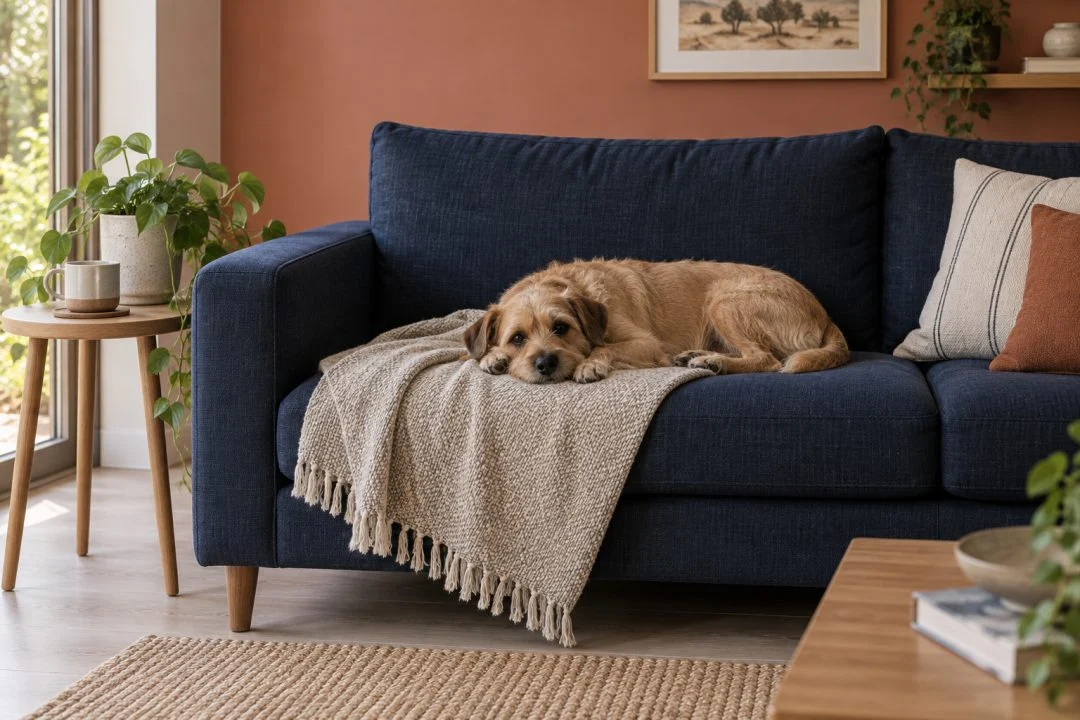
For pets, compare texture and documented care features without expecting any covering to be scratch-proof. The sofa guide for homes with cats or dogs helps turn those habits into questions to ask.
Colour matters as a preference too. View several photographs and ask about swatches if an exact tone is important. Lighting can change the appearance of the same upholstery considerably; a screen cannot confirm how it feels against your skin.
Keep the rest of the sofa in the comparison
A preferred covering does not compensate for the wrong seat depth or an unsuitable footprint. Check the frame and cushion information where supplied, and compare the full dimensions and delivered price. The complete sofa buying guide brings those checks together.
After choosing, keep the care instructions with the order details and follow the appropriate upholstery-care routine. Good information at the start is more useful than a broad promise that one material will always be easier to own.