Small-Space Furniture Mistakes to Avoid Before Buying
Avoid small-space buying mistakes by checking operating space, storage access and visual scale. Use this checklist before placing an order.
The most expensive small-space mistake is often a piece that fits when closed but makes the room difficult to use. Check these five things before ordering.
1. Measuring only the main body
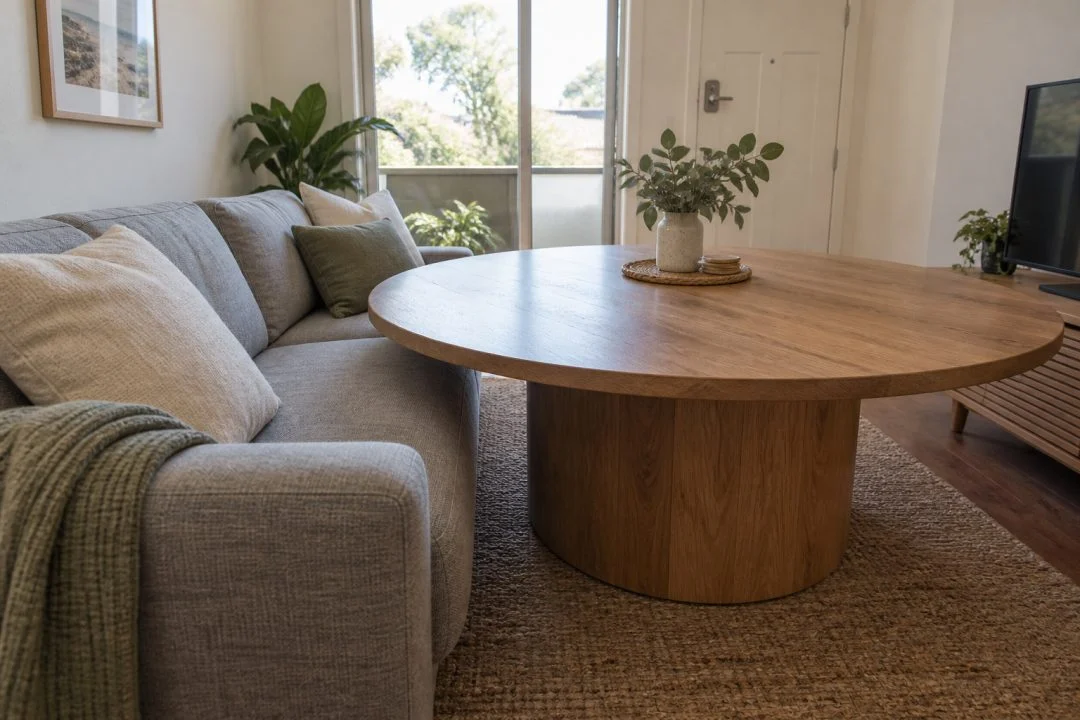
Include arms, handles, headboard wings and other projecting parts. Use the maximum external dimensions of the selected variant. The dimensions guide explains why one width in a headline is not always the whole story.
2. Forgetting the open position
Draw drawers, doors, recliners, sofa beds and extensions in use. Include your standing or sitting position too. The mechanism needs more than a technically empty gap.
3. Treating the walkway as spare space
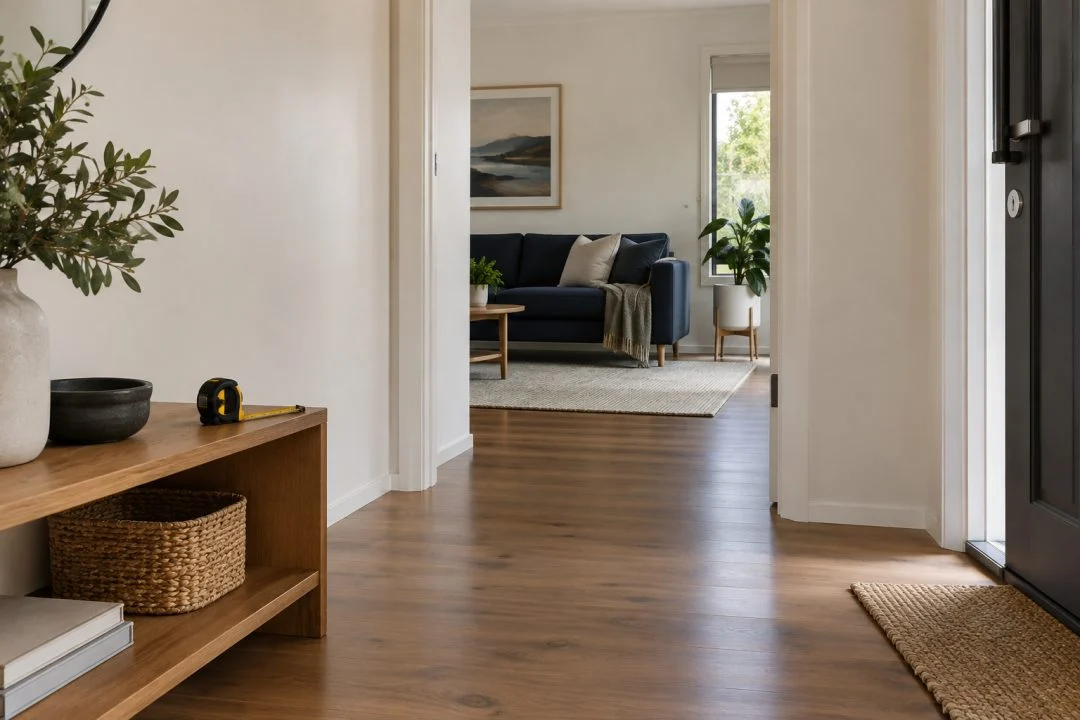
Mark the route between doors and regularly used areas first. Check it with the furniture occupied, rather than with every chair pushed in. Household access needs should decide what is workable.
4. Buying storage before identifying the shortage
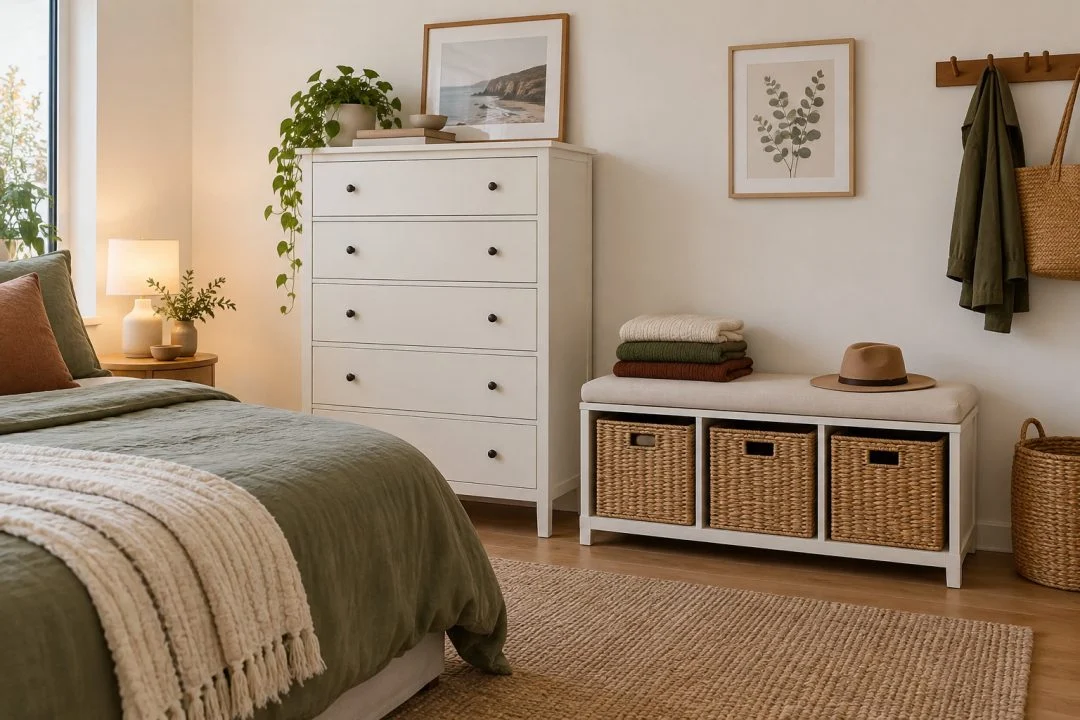
A larger cabinet may not help if the missing feature is hanging space or accessible drawers. Measure what needs a home and compare usable interiors. See bedroom storage without built-ins for a practical example of that process.
5. Assuming delivery access will sort itself out
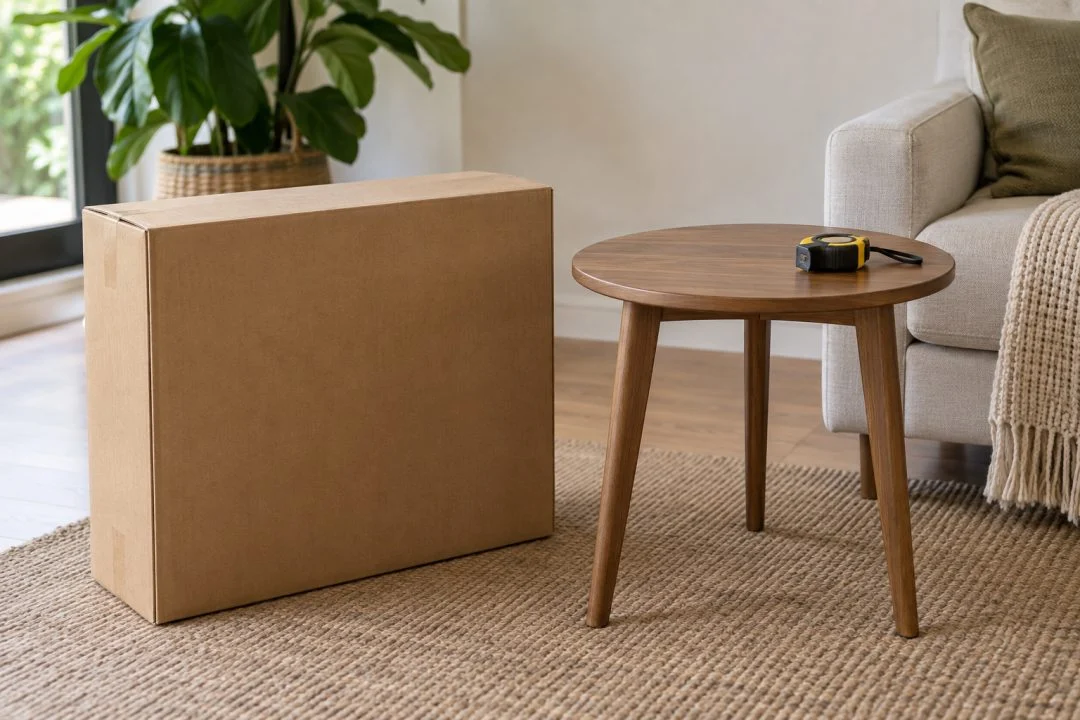
Check carton sizes and the route through doors, stairs, lifts and turns. A piece fitting the final room does not prove its packaging can reach it. The delivery-access guide covers the measuring approach.
For each shortlisted piece, save a simple room sketch, the selected product link and the dimensions used. If the plan depends on ignoring an opening, blocking a route or moving something with nowhere to go, choose a different piece before placing the order.